Oxidative stress is associated with cardiovascular and neurodegenerative diseases. Here we report studies of neurovascular oxidative stress in chemogenetic transgenic mouse lines expressing yeast D-amino acid oxidase (DAAO) in neurons and vascular endothelium. When these transgenic mice are fed D-amino acids, DAAO generates hydrogen peroxide in target tissues.
Endothelial cells (ECs) line the lumen of all blood vessels and regulate functions, including contractility. Physiological stimuli, such as acetylcholine (ACh) and intravascular flow, activate transient receptor potential vanilloid 4 (TRPV4) channels, which stimulate small (SK3)- and intermediate (IK)-conductance Ca2+-activated potassium channels in ECs to produce vasodilation. Whether physiological vasodilators also modulate the surface abundance of these ion channels in ECs to elicit functional responses is unclear. Here, we show that ACh and intravascular flow stimulate rapid anterograde trafficking of an intracellular pool of SK3 channels in ECs of resistance-size arteries, which increases surface SK3 protein more than two-fold.
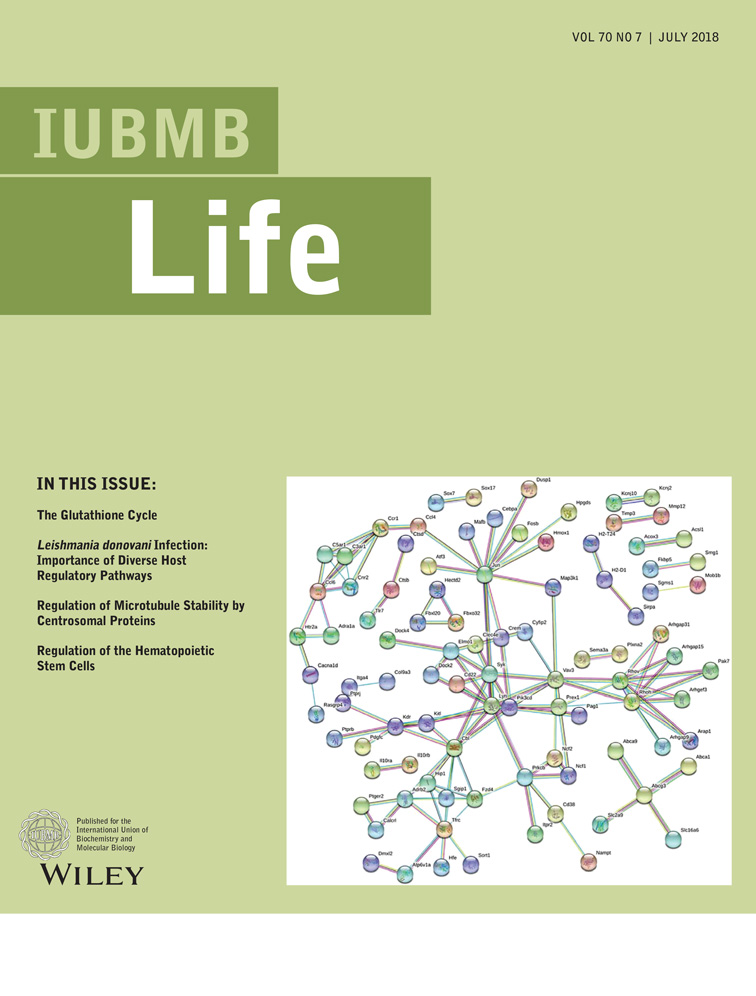
Glutathione was discovered in 1888, over 125 years ago. Since then, our understanding of various functions and metabolism of this important molecule has grown over these years. But it is only now, in the last decade, that a somewhat complete picture of its metabolism has emerged. Glutathione metabolism has till now been largely depicted and understood by the γ‐glutamyl cycle that was proposed in 1970. However, new findings and knowledge particularly on the transport and degradation of glutathione have revealed that many aspects of the γ‐glutamyl cycle are incorrect.
Hydrogen peroxide (H2O2) is the most abundant reactive oxygen species (ROS) within mammalian cells. At low concentrations, H2O2 serves as a versatile cell signaling molecule that mediates vital physiological functions. Yet at higher concentrations, H2O2 can be a toxic molecule by promoting pathological oxidative stress in cells and tissues. Within normal cells, H2O2 is differentially distributed in a variety of subcellular locales.
Calcium signaling is essential for embryonic development but the signals upstream of calcium are only partially understood. Here, we investigate the role of the intracellular glutathione redox potential in calcium signaling using the Chac1 protein of zebrafish. A member of the γ-glutamylcyclotransferase family of enzymes, the zebrafish Chac1 is a glutathione-degrading enzyme that acts only on reduced glutathione.